

Turn Your Data Into Decisions
Reliable pipelines, a warehouse your team trusts, and dashboards people actually use — so every decision is backed by accurate, up-to-date data.


One Source of Truth
Most businesses have plenty of data — it's just scattered across CRMs, spreadsheets, databases, and SaaS tools, with numbers that never quite match.
We bring it together into a clean, well-modelled warehouse with automated pipelines and dashboards, so leadership, sales, and operations all work from the same trusted numbers.
Data Engineering
What's Included
- Data source audit and mapping
- Data model and warehouse design
- Automated ETL / ELT pipelines
- Data quality checks and alerting
- BI dashboards and reports
- Documentation and team training
Data Engineering Capabilities
Every engagement is scoped to your business. Explore what each capability covers, what you receive, and how long it typically takes.
Capability 01 / 06
Data Pipelines
We build reliable pipelines that pull data from your applications, databases, and SaaS tools on schedule or in real time — tested, monitored, and documented.
What you get
- Source connectors and ingestion
- Transformation layer (dbt)
- Orchestration and scheduling
- Pipeline monitoring and alerting
- Ideal for
- Teams manually exporting and combining data
- Typical timeline
- 3–8 weeks
Interested in Data Pipelines? Get a free 30-minute consultation with a senior engineer.
Proven in Production
Real products where our Data Engineering work is live today.
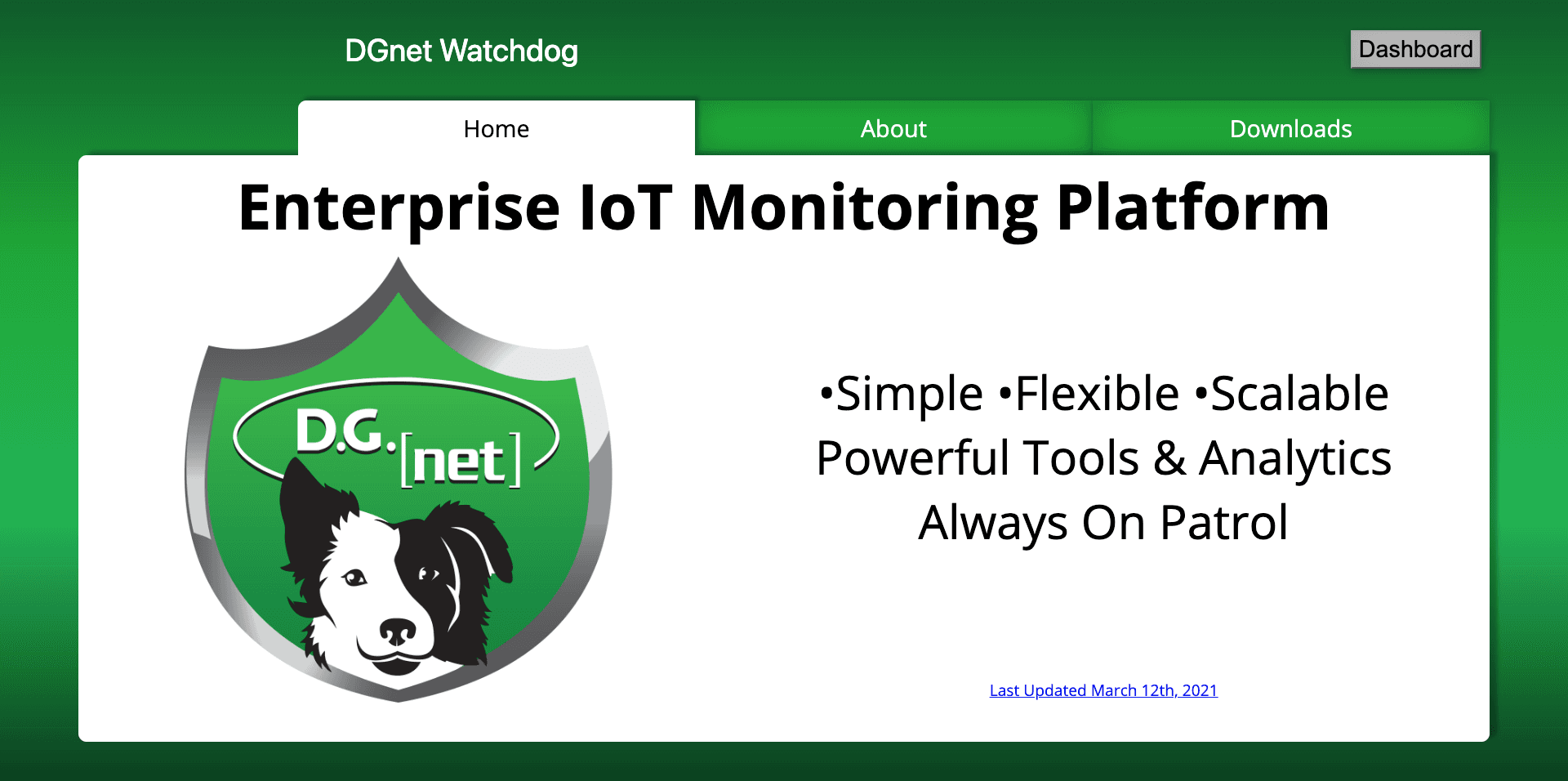 IoT Monitoring Platform
Watchdog
Real-Time IoT & Network Monitoring for Enterprise Infrastructure
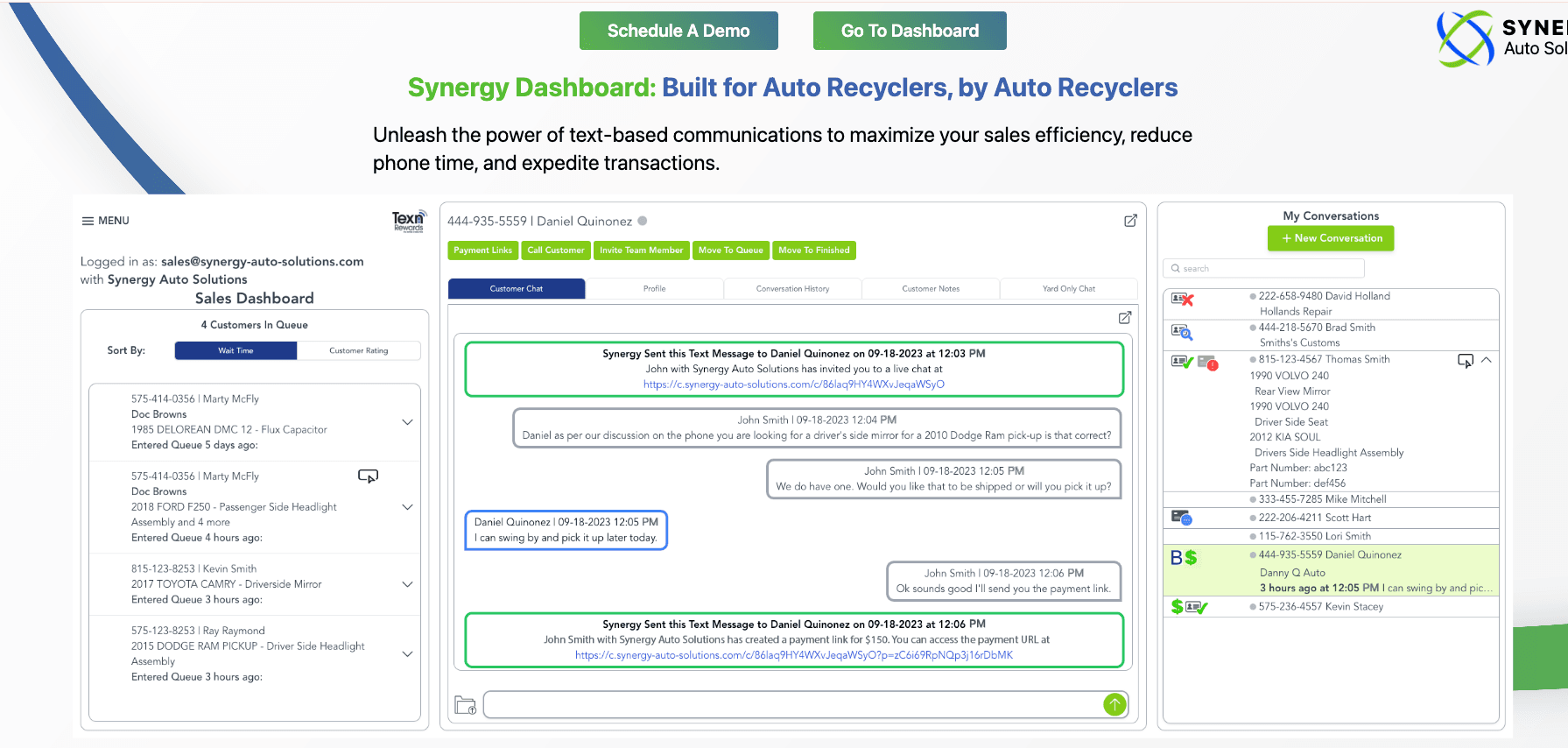 Auto Salvage Management Platform
Synergy Auto Solutions
A Digital Operating System for Junk Yards & Auto Recyclers
How It Helps Your Business
When everyone trusts the numbers, meetings get shorter and decisions get better.
Trusted Reporting
One version of the truth replaces conflicting spreadsheets and manual reconciliation.
Hours Back Each Week
Automated pipelines replace manual exports, copy-pasting, and report building.
Real-time Visibility
See sales, operations, and customer metrics as they happen, not weeks later.
AI-Ready Foundations
Well-structured data is the prerequisite for any serious AI or ML initiative.
Drowning in spreadsheets and conflicting reports?
Book a free call and we'll map your data sources and show you what a single source of truth could look like.
Our Development Process
A clear, collaborative process with working results at every stage — so you always know what's happening and what comes next.
- 011–2 weeks
Data Audit
We map your data sources, volumes, quality issues, and the questions the business needs answered.
- 021–2 weeks
Model & Architecture
A target data model and warehouse architecture designed around your key metrics.
- 033–8 weeks
Pipeline Build
Automated, tested pipelines that load and transform data into the warehouse.
- 042–4 weeks
Dashboards & Reporting
BI dashboards built with your teams, so they answer the questions people actually ask.
- 05Ongoing
Handover & Support
Documentation, training, and ongoing monitoring of pipeline health and data quality.
Tools & Technologies
The proven stack behind our Data Engineering work.
Warehousing
 Snowflake
 PostgreSQL
Pipelines
BI & Analytics
 Google Analytics
Frequently Asked Questions
Almost any — SQL and NoSQL databases, CRMs like Salesforce and HubSpot, accounting tools, ad platforms, spreadsheets, and custom APIs.
If you're combining data from several systems or your reporting is slowing down your production database, a warehouse usually pays off quickly. We'll advise honestly if a simpler setup is enough.
Typically 4–6 weeks for the first set of core dashboards, with more sources and reports added in later phases.
Yes. We work with Power BI, Looker, Tableau, Metabase, and others, and can improve your current setup rather than replacing it.
We add automated tests, freshness checks, and alerts to every pipeline, so issues are caught before they reach a dashboard.
Explore More Services
AI Solutions
AI Engineering, ML & Automation
Web Development
Modern Web Experiences That Perform
UI/UX Design
Designs That Delight Users
Mobile Apps
Native & Cross-Platform Solutions
MVP Development
From Idea to Launch, Fast
Cloud Service
Scalable Cloud Infrastructure
Staff Augmentation
Scale Your Team On Demand
Ready to Start Your Data Engineering Project?
Book a free 30-minute call with our team — no pitch, just a clear plan for what to build next.